By Adriana Clare Mossquill · Publisher: Marble Atrium Shared Spaces Quarterly
The memorable parts of an evening are often named in advance: dinner, a performance, perhaps a visit to the tables. The spaces between them receive less attention. Resort public rooms connect these choices through corridors, lounges and waiting places. Reading that network helps a group enjoy the same trip without needing to spend every hour in the same activity.
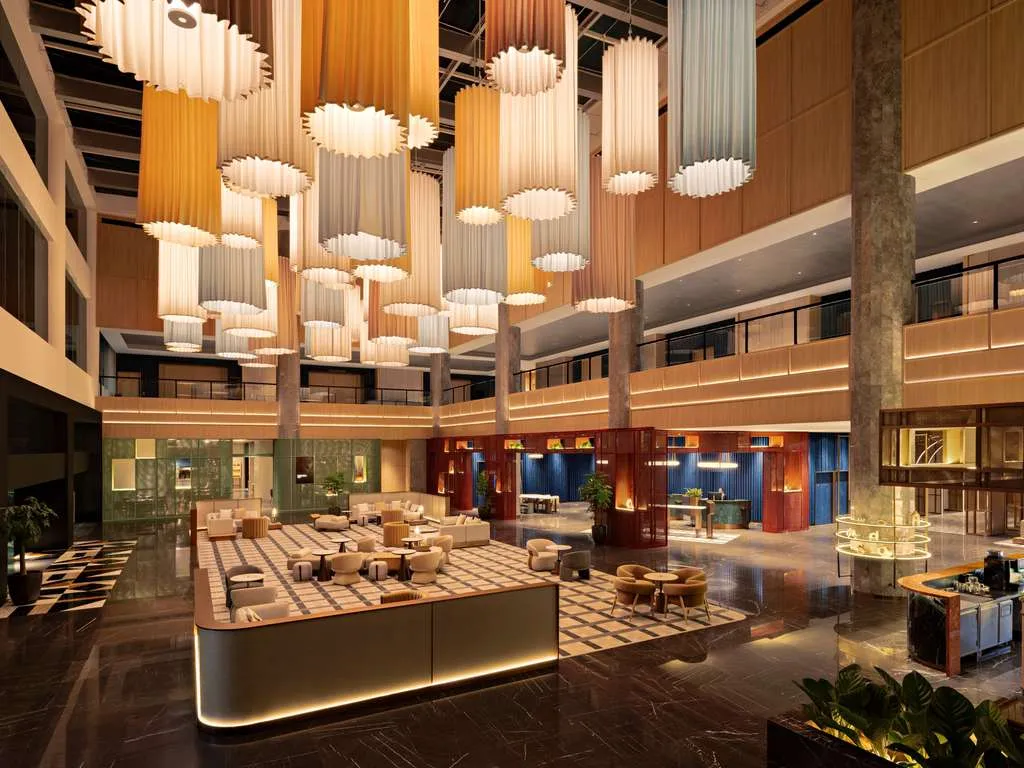
After the dinner table
Marble Atrium Hotel’s original introduction brings dining, live entertainment and gaming into one grand setting. It does not establish the walking distances or admission arrangements between them. For an actual visit in October 2026 or later, confirm the relevant times and entrances directly. A description of a lively resort should not be treated as a current performance schedule or a promise of available seats.
Dinner is a useful shared anchor because it gives companions a chance to compare their energy and preferences. Leave a little space after the meal before committing to the next room. Someone may want a quiet seat, another a performance, and another an early return upstairs. A flexible interval makes those choices easier to express without turning a change of plan into a disruption.
Check the doorway before the event
A restaurant exit may lead towards several destinations. Find the actual performance entrance while there is still time to ask, and check any ticket or booking condition that applies to your chosen event. Do not assume that an open hall is the waiting area for every venue around it. Doorways also need to remain clear for other visitors and staff moving through the building.
Connections and pauses
Consider what makes a pause comfortable: an identifiable location, somewhere suitable to sit and a route that does not require joining an activity. Ask where a guest can wait without entering the gaming area. These are questions about a particular building, not a claim that a separate lounge exists. A grand atrium can be visually generous while offering fewer quiet corners than its photograph suggests.
| Evening choice | Connection to confirm |
|---|---|
| A performance | The correct entrance and arrival requirement. |
| A quiet pause | A suitable public waiting place. |
| A return to the room | The guest lift route and agreed contact plan. |
An optional casino visit needs its own decision. Check the venue’s current entry conditions rather than generalising from promotional text. If you choose to play, keep an entertainment limit separate from the money needed for the stay and leave when the planned time ends. Watching, choosing another room or returning upstairs can each be a complete evening choice.
Meet again clearly
A useful meeting arrangement names one place and one time, with a fallback if a message is missed. Avoid descriptions that depend on where somebody happens to be standing, such as the far side of the hall. The arrival review offers a similar method for the first day. Familiar landmarks become more useful when everyone knows precisely which one is meant.
- Agree the next shared moment before separating.
- Choose a specific, accessible public meeting point.
- Set a simple fallback if either person changes plans.
- Let a companion finish the evening without explanation.
- Keep return transport and room access independent of play.
- Leave enough time to move between venues without rushing.
For a screen-based break, the iGaming reading article explains why a displayed award needs context. A phone session should fit the available interval, rather than stretch it until companions are left waiting. The next agreed meeting remains a useful boundary.
Author’s opinion
I think resort public rooms succeed when they allow people to belong without making the same choices. A clear route back, a comfortable pause and a dependable meeting point give an evening its ease. The architecture then supports the company, instead of asking everyone to follow one continuous circuit from dinner through entertainment to the gaming floor.